April 8, 2026
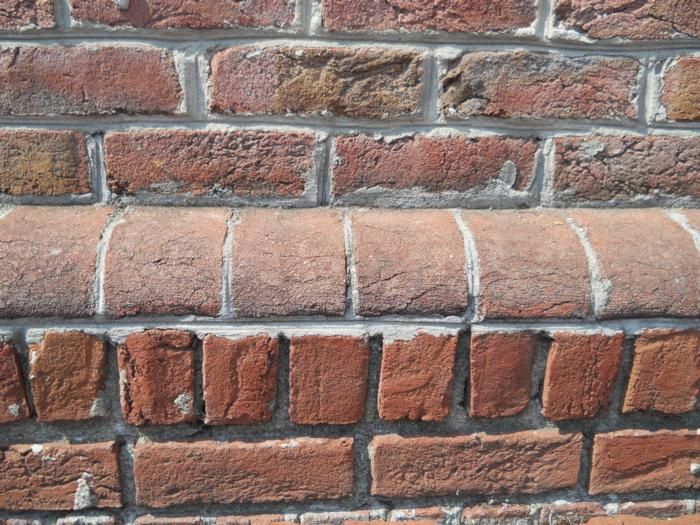
Brick buildings have long been a symbol of strength, durability, and timeless beauty. Many historic structures, from grand cathedrals to charming townhouses, were built with bricks, and these buildings often carry significant cultural and architectural value. However, even the sturdiest brickwork can suffer from the ravages of time, weather, and human activity. Brick restoration is a specialized craft dedicated to preserving and restoring these historic structures, ensuring that they continue to stand strong for future generations. In this blog, we'll explore the art of brick restoration, the challenges involved, and the techniques used to bring old brickwork back to life. The Importance of Brick Restoration Historic brick buildings are more than just architectural artifacts; they are tangible connections to our past. These structures often represent the craftsmanship and design principles of their time, and preserving them allows us to maintain a physical link to our cultural heritage. However, without proper maintenance and restoration, these buildings can deteriorate, losing both their structural integrity and aesthetic appeal. 1. Preserving Cultural Heritage Brick restoration plays a crucial role in preserving cultural heritage. Many historic brick buildings are listed on national or regional heritage registers, meaning they are protected by law and recognized for their historical significance. Restoring these buildings helps preserve the unique architectural styles, materials, and techniques that defined different eras and regions. 2. Maintaining Structural Integrity Over time, bricks and mortar can degrade due to factors such as weathering, pollution, and structural movement. If left unchecked, this deterioration can lead to serious structural issues, including cracks, water infiltration, and even collapse. Brick restoration addresses these issues, reinforcing the structure and ensuring its longevity. 3. Enhancing Aesthetic Appeal In addition to structural benefits, brick restoration enhances the aesthetic appeal of historic buildings. Weathered, cracked, or discolored bricks can make a building look neglected and diminish its charm. Restoration work can rejuvenate the appearance of brickwork, bringing out the original colors and textures that made the building special in the first place. Common Challenges in Brick Restoration Restoring brickwork is a delicate process that requires a deep understanding of historic materials and construction techniques. Each restoration project presents unique challenges, depending on the age, condition, and historical significance of the building. 1. Matching Materials One of the most challenging aspects of brick restoration is finding materials that match the original bricks and mortar. Historic bricks were often made using local clays and traditional firing methods, resulting in variations in color, size, and texture. Finding new bricks that match these characteristics can be difficult, particularly if the original brickworks no longer exist. Similarly, the mortar used in historic buildings was often composed of lime, sand, and other local materials, which can be very different from modern cement-based mortars. Using the wrong mortar can lead to further damage, so it's crucial to match the original mortar as closely as possible. 2. Addressing Structural Issues Many historic brick buildings suffer from structural issues caused by settling foundations, environmental factors, or previous repairs that were poorly executed. Restorers must carefully assess the building's condition to identify any underlying problems and determine the best course of action. This often involves reinforcing or repairing the foundation, addressing water infiltration issues, and stabilizing any areas that have shifted or cracked. 3. Dealing with Weathering and Pollution Exposure to the elements can cause significant damage to brickwork over time. Rain, wind, and temperature fluctuations can lead to erosion, spalling, and cracking, while pollution can cause discoloration and staining. Restorers must clean and repair the brickwork without causing further damage, which requires specialized knowledge and techniques. Key Techniques in Brick Restoration Brick restoration involves a variety of techniques, each tailored to the specific needs of the building. Here are some of the most common methods used by restorers: 1. Repointing Repointing is the process of renewing the mortar joints between bricks. Over time, mortar can deteriorate due to weathering, moisture, and other factors, leading to gaps and cracks that compromise the structural integrity of the wall. Repointing involves carefully removing the damaged mortar and replacing it with new mortar that matches the original in composition and appearance. The key to successful repointing is to use a mortar mix that is compatible with the historic bricks. Modern cement-based mortars are often too hard and can cause further damage to older bricks, so lime-based mortars are typically preferred for historic restoration projects. Repointing not only reinforces the structure but also enhances the appearance of the brickwork by creating clean, uniform joints. 2. Brick Replacement In some cases, individual bricks may be too damaged to repair and must be replaced. The challenge here is to find or create new bricks that match the original ones as closely as possible. This may involve sourcing reclaimed bricks from similar buildings or commissioning custom-made bricks that replicate the size, color, and texture of the originals. When replacing bricks, it's important to avoid creating a patchwork effect where the new bricks stand out against the old ones. Restorers often blend the new bricks with the existing ones by carefully matching the mortar and using subtle color variations to create a seamless appearance. 3. Cleaning and Conservation Cleaning is a critical part of brick restoration, as it removes dirt, pollution, and biological growth that can obscure the original beauty of the brickwork. However, cleaning must be done with care to avoid damaging the bricks. Abrasive methods, such as sandblasting, can erode the brick surface and should be avoided. Instead, restorers use gentle cleaning techniques, such as low-pressure water washing, steam cleaning, or the application of specialized cleaning agents. In addition to cleaning, conservation treatments may be applied to protect the brickwork from future damage. This can include the application of water-repellent coatings, limewashing, or the use of breathable sealants that allow moisture to escape while preventing water infiltration. 4. Crack Repair and Stitching Cracks in brickwork are common in older buildings, often resulting from settlement, structural movement, or thermal expansion and contraction. Small cracks can sometimes be filled with matching mortar, but larger cracks may require more extensive repairs. One technique used in brick restoration is "stitching," which involves inserting stainless steel rods or helical bars into the wall to reinforce and stabilize the cracked area. The rods are then covered with mortar, creating a repair that is both strong and visually unobtrusive. Preserving the Authenticity of Historic Brickwork When restoring historic brick buildings, it's important to preserve as much of the original material and craftsmanship as possible. This requires a sensitive approach that respects the building's historical integrity while addressing its structural needs. 1. Documenting the Original Work Before any restoration work begins, it's essential to thoroughly document the building's existing condition. This includes taking photographs, making detailed drawings, and recording the types of materials and construction techniques used. This documentation serves as a reference throughout the restoration process and helps ensure that any interventions are in keeping with the building's original design. 2. Using Traditional Techniques Whenever possible, restorers should use traditional techniques and materials that match those used in the original construction. This might involve sourcing local materials, using lime-based mortars, and employing traditional bricklaying methods. By doing so, restorers can maintain the building's historical authenticity and ensure that the repairs are compatible with the original structure. 3. Avoiding Over-Restoration Over-restoration occurs when too much of the original material is replaced or when modern techniques are used inappropriately, leading to a loss of historical integrity. The goal of brick restoration should be to preserve and protect the original fabric of the building, not to make it look new. This means retaining as much of the original brickwork as possible and only intervening when absolutely necessary. Case Studies: Notable Brick Restoration Projects 1. The Trinity Church, Boston Trinity Church in Boston is a prime example of successful brick restoration. Built in the 1870s, this iconic building suffered from significant deterioration due to weathering and pollution. A comprehensive restoration project was undertaken to clean and repair the brickwork, repoint the mortar joints, and replace damaged bricks with custom-made replicas. The result is a beautifully preserved structure that continues to serve as a landmark in Boston's architectural heritage. 2. The Red Fort, India The Red Fort in Delhi, India, is a UNESCO World Heritage site with extensive brickwork that has required ongoing restoration efforts. Over the centuries, the fort's walls have been subjected to environmental damage and human activity. Restoration work has focused on cleaning the bricks, repointing the mortar, and replacing damaged sections with bricks made using traditional methods. The restoration of the Red Fort has helped preserve its status as a symbol of India's rich history and culture. 3. St. Pancras Station, London St. Pancras Station in London is a Victorian-era masterpiece that features elaborate brickwork. The station underwent a major restoration project in the early 2000s, which involved cleaning and repairing the brick facades, repointing the mortar joints, and replacing damaged bricks. The project also included the conservation of the station's ornate brick details, ensuring that this historic building remains a functional and visually stunning part of London's infrastructure. Conclusion Brick restoration is a vital craft that helps preserve our architectural heritage and maintain the structural integrity of historic buildings. By addressing the challenges of material matching, structural repair, and aesthetic conservation, skilled restorers can bring old brickwork back to life, ensuring that these buildings continue to stand as testaments to the craftsmanship and design of their time. Whether it's a grand cathedral, a historic home, or a beloved public building, brick restoration allows us to honor the past while safeguarding these structures for future generations.